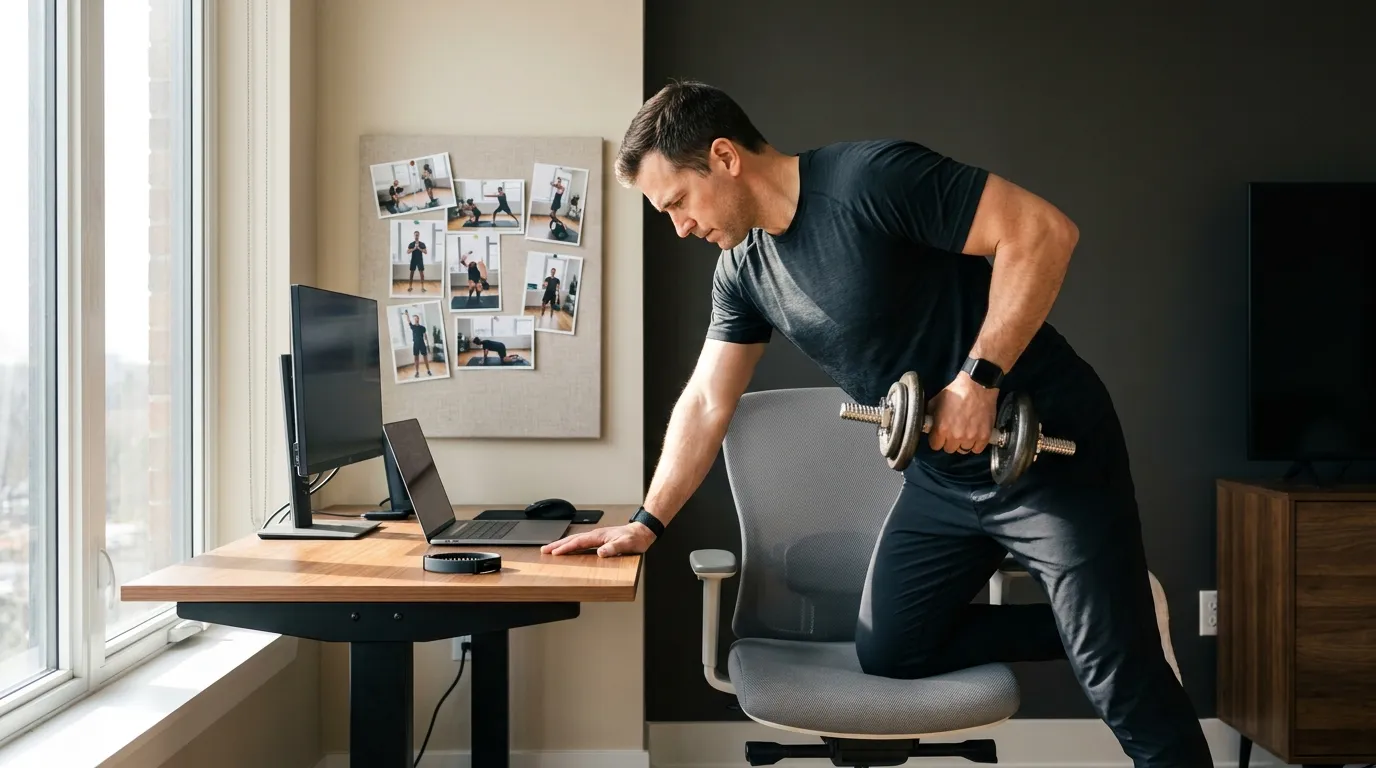
6 Key Dumbbell Lat Exercises For Beginner & Intermediate Workouts
TLDR; This article explains why dumbbell lat exercises can be really helpful for desk workers. After long hours of sitting, it’s common to notice rounded shoulders, upper-back fatigue, and weak pulling strength, and these movements can help balance that out. That can make a real difference.
It covers six effective moves: the one-arm dumbbell row, chest-supported row, dumbbell pullover, three-point row, renegade row, and seal-style or prone floor row. The guide also shares key form cues, like pulling the elbow toward the hip, keeping the ribs down, and using a controlled tempo instead of rushing reps, so the lats do more of the work and common mistakes are easier to avoid.
For beginners, starting with short routines twice a week is simple. Busy professionals can also split training into 5- to 10-minute exercise snacks at home to build strength, improve posture, and stick with it over time, which usually helps most.
If you spend hours at a desk, your upper back can start to feel weak, tight, and tired pretty fast. That often shows up as rounded shoulders, a stiff neck, and that worn-out feeling that tends to hit later in the afternoon, which is very common for desk workers. Not exactly fun. The good news is that improving it does not require a full gym setup. A pair of dumbbells and a little floor space can often make a real difference.
That is why dumbbell lat exercises are so useful for desk workers and anyone working from a home office. The lats are the large muscles that run along the sides of the back. They help with pulling, support better posture, and work with the shoulders and core during everyday movement. When those muscles get stronger, carrying groceries can feel easier, sitting at a desk can feel more supported, and all the pushing, reaching, and typing in a workday can feel a little more balanced. It is usually a small change that helps in a noticeable way, especially for people who sit most of the day.
In this guide, readers will learn the 6 most important dumbbell lat exercises for beginner and intermediate workouts, how to do each one safely, and how to fit them into short exercise snacks between meetings. It also covers common mistakes, simple programming, and ways to use these moves to support posture exercises, stress management, and long-term health and wellness. For anyone who wants a practical strength routine that fits real work-from-home life, this article can help them get started.
Why Dumbbell Lat Exercises Matter So Much for Desk Workers
Most desk workers spend far more time reaching forward than pulling back. Think about a normal day: typing, scrolling, using a mouse, replying to messages, and leaning toward a screen for hours. Over time, that repeated pattern can pull the upper body out of balance. The chest and front shoulders often start doing more of the work, while the back muscles usually do less. After enough long days, that imbalance often starts to show.
That’s where dumbbell lat exercises can help. The lats pull the arms down and back, which matters a lot here. They also support shoulder movement and help the trunk stay more stable, especially when lifting the arms overhead or carrying things. When these muscles are trained well, many people notice better posture, smoother overhead movement, and less strain in the neck and upper back. In many cases, the shoulders also settle into a more comfortable position instead of rolling forward.
Lat work is about more than appearance. It can support health benefits that show up in daily life, and a stronger back often makes the workday feel easier too. Better alignment usually makes sitting feel less tiring. It’s a small change, but a real one. That can help improve productivity, and it also carries over into fitness.
| Desk Worker Challenge | How Stronger Lats Help | Daily Benefit |
|---|---|---|
| Rounded shoulders | Pull the arms and shoulders back into better alignment | Improved sitting posture |
| Upper back fatigue | Share the load with other back muscles | Less mid-day slumping |
| Weak pulling strength | Improve row and pull patterns | Easier lifting and carrying |
| Poor movement balance | Offset too much pressing and typing | Healthier shoulder function |
If moving more during the day is already a goal, it often helps to pair these strength exercises with quick breaks, since even a short break can make a difference. So a short upper-body session can work well with Best Body Break Exercises for Quick Workday Refreshment when a simple reset is needed.
What Makes a Good Dumbbell Lat Exercise for Beginners
Not every back exercise is really a lat exercise. A lot of people think any row will fully train the lats, but that’s only partly true. A good dumbbell lat movement needs a clear pulling path, with the upper arm staying close to the torso or moving in a way that lets the lats contract with control, which often matters more than people expect. It also needs enough stability so beginners can learn the movement without pain, and that usually matters most while they are still figuring out proper form.
For home office workers, the best options usually have four practical traits. They need very little equipment and should be easy to set up in a small room or even in one corner of an apartment. They should also allow steady progress, whether that means more weight or more reps, without extra hassle. In most cases, they also should not require advanced mobility.
When choosing your exercises, pay attention to these simple signs:
You feel the work in the side of the back
If the strain mostly hits your neck or lower back, your setup is probably off, it happens. Usually, the side of your back should do most of the work.
You can control lifting and lowering
I think lowering really matters. Move slowly, because it often helps. It builds strength and may also help protect your shoulder.
Your ribs stay mostly down
A flared rib cage usually means you’re arching a little too much, which happens. You’re probably not really using the lats, and that’s often what’s happening here.
The movement matches your level
A good exercise is usually one you can repeat with solid form, not just something flashy online or a move that only looks good in a video.
One more thing: don’t jump into heavy weight too fast. Start with a weight you can move smoothly for 8 to 12 reps, since that’s usually a good range. For more posture-focused options, you can also read Boosting Mental Health with Posture Exercises at Work.
The 6 Most Important Dumbbell Lat Exercises
These are the 6 main dumbbell lat exercises for beginner and intermediate workouts. They’re really helpful and often work well while staying easy to do, which usually helps, and they fit real training in small spaces.
1. One-Arm Dumbbell Row
If someone is only going to pick one move, this is usually the best choice. The one-arm dumbbell row is basically the base of dumbbell lat exercises, and it’s probably the most useful place to start. It’s easy to learn, simple to load heavier over time, and works really well for home workouts.
How to do it:
- Put one hand and the same-side knee on a bench, sturdy chair, couch edge, or another stable surface.
- Keep your other foot flat on the floor.
- Let the dumbbell hang straight down.
- Pull your elbow toward your hip instead of straight up toward your shoulder.
- Pause briefly, then lower it with control.
Why it works: Pulling your elbow toward your hip usually keeps more focus on the lats instead of shifting too much work to the upper traps. The supported setup also gives beginners a better chance of staying locked in on form, which matters a lot early on.
Best for: beginners, posture work, and progressive overload.
Common mistake: twisting your torso to yank the weight up. That usually makes the movement messier and takes tension off the lats.
2. Chest-Supported Dumbbell Row
This is probably one of the safer options for intermediate trainees and tired desk workers, which is honestly a lot of people. It helps a lot when your lower back is already feeling strained, because the setup takes much of that pressure off the lumbar area and gives you a more stable, supported position.
How to do it:
- Lie face down on an incline bench.
- Hold a dumbbell in each hand, then pull your elbows down and back as you row.
- Lower slowly until your arms are straight again.
Why it works: when your chest is supported, it’s usually much easier to focus on your back muscles instead of using energy to control body sway. After long hours at a desk, that extra support can make a real difference, and this one often feels really good after a long day of sitting.
3. Dumbbell Pullover
The dumbbell pullover hits the lats in a different way than rows, and a lot of people feel the upper-body stretch first. That stretch is often a big reason the movement feels so good. Honestly, that’s a lot of why people like it.
How to do it:
- Start by lying on a bench or the floor.
- Hold one dumbbell with both hands over your chest.
- Lower the weight behind your head with a slight bend in your elbows.
- Then bring it back up by driving through the lats.
Why it works: this exercise trains shoulder extension, which is a main job of the lats. Because of that, it often trains them well.
4. Three-Point Dumbbell Row
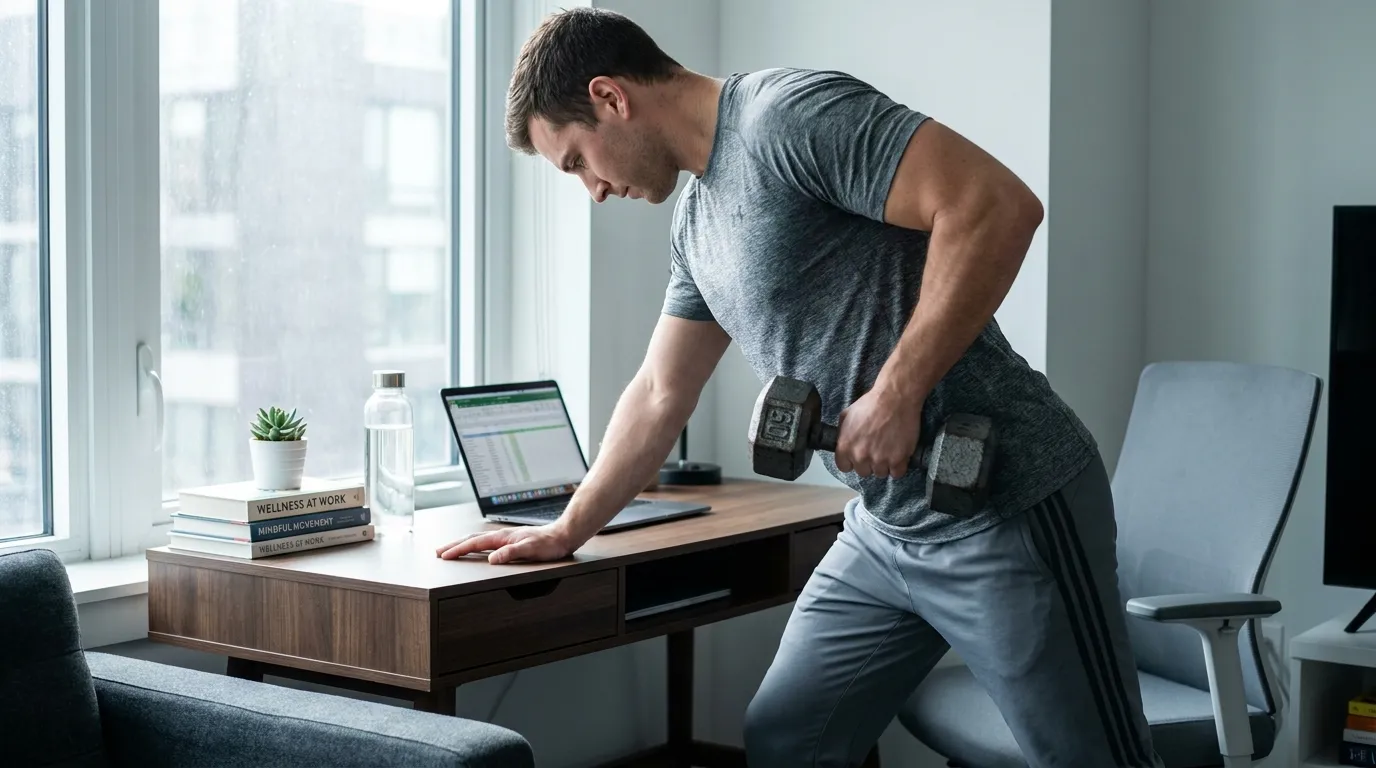
This is a lot like the one-arm row, but one hand rests on a desk, bench, chair, or something similar, whatever you’ve got nearby, while both feet stay on the floor. That setup is really handy, and it often works especially well in home offices, which helps if you’re working out at home.
Why it works: it usually feels stable and simple, and lets you train one side at a time without needing a full bench.
5. Renegade Row
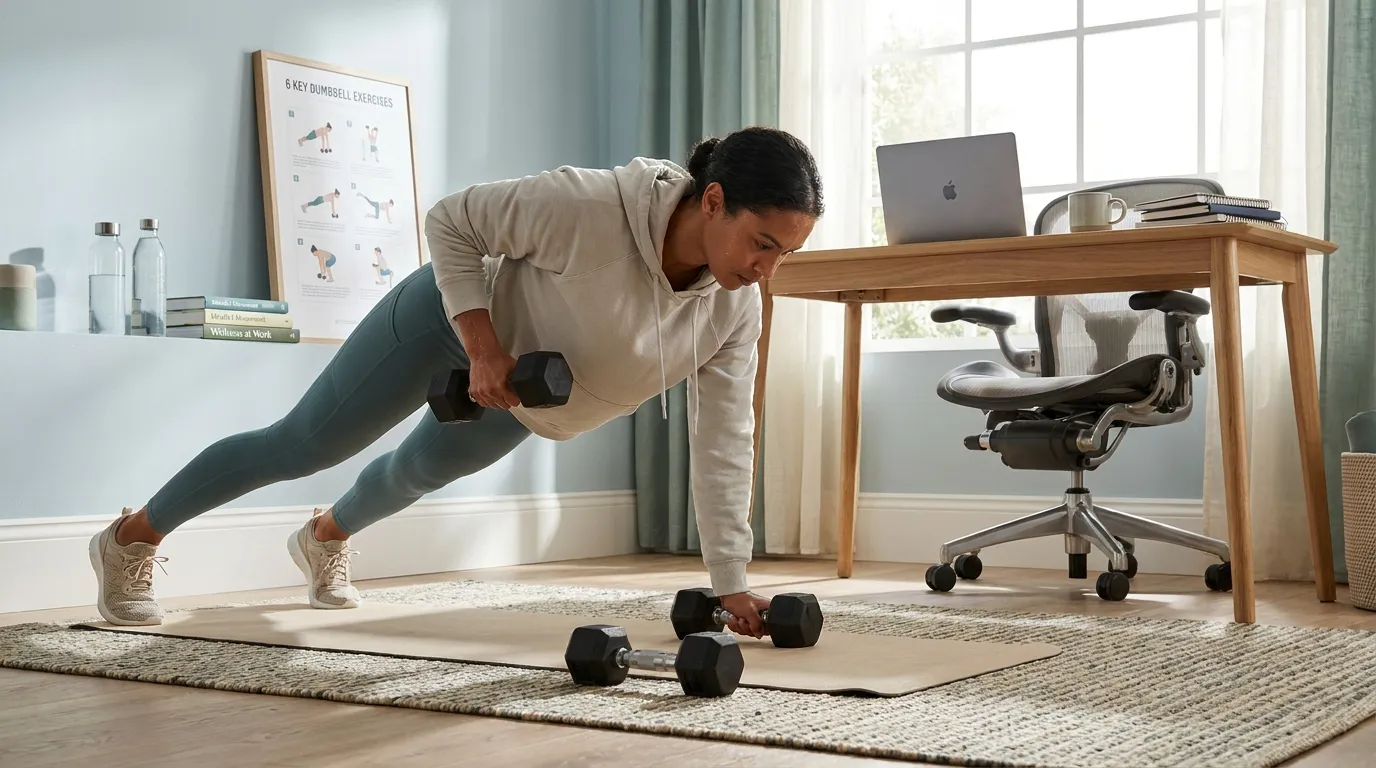
For most people, this is the harder option. It works your lats, core, and shoulders, and it also trains anti-rotation control at the same time.
How to do it:
- Start in a high plank with your hands on dumbbells.
- Row one dumbbell while keeping your hips as still as you can.
- Place it back down, then repeat on the other side.
Why it works: I think it teaches your body to pull without twisting, which is often harder than it sounds. That can probably help with better trunk control in everyday movement, like carrying bags or reaching across your body.
6. Dumbbell Seal-Style Row or Prone Floor Row
No bench? You can just lie face down on stacked cushions, which usually works, or set yourself up low enough so your arms can hang a bit. From there, row from that prone position.
Why it works: it removes momentum from the movement, so you’ll probably feel your lats and mid-back more clearly, which is really the whole point. Simple.
How to Do Dumbbell Lat Exercises Safely and Feel the Right Muscles
A lot of people try dumbbell lat exercises and mostly feel them in their biceps, traps, or lower back instead of their lats. Most of the time, that comes down to setup and tempo. A few small changes can make the exercise feel completely different.
One helpful cue is “shoulders away from ears.” It sounds simple, but it usually works well. When the shoulders lift on every rep, the upper traps often start doing too much of the work. It also helps to lead with the elbow instead of the hand. That small shift often makes it easier to pull from the back instead of turning the movement into more of a curl. Keep the chest open too, while the ribs stay under control. If there is too much arching, the lats will often lose tension.
A simple way to get better results is using a 2-1-2 tempo: lift for two counts, pause for one, then lower for two. Slowing things down usually gives beginners more control and makes it easier to feel what should be working and what should not.
Here’s an easy before-and-after example. Before, every row is rushed. The shoulder shrugs, the weight swings, and the set ends with the neck and arms doing most of the work. After, the core stays braced, the elbow pulls toward the hip, and there is a pause at the top. That pause often matters because the side of the back has to work harder, and the movement usually feels smoother too.

If the shoulders feel tight from computer work, pairing these strength moves with mobility work can help. Flexibility Exercises to Improve Workplace Posture in 2025 may help bring back motion around the upper body and make clean pulling form easier.
Beginner and Intermediate Dumbbell Lat Exercises Workout Plans You Can Actually Stick To
The best workout usually isn’t the hardest one. It’s the one that really fits your life. Simple.
For desk workers, that often means short sessions you can do again without much stress, which honestly helps a lot, since it’s easier to stay consistent than to keep pushing through long, exhausting routines every single week.
And getting results from dumbbell lat exercises doesn’t require 90-minute workouts either. Really.
Here’s a beginner plan you can do 2 times per week and likely stick with:
Beginner workout
- One-Arm Dumbbell Row: 3 sets of 8 to 12 reps per side
- Dumbbell Pullover: 3 sets of 10 to 12 reps
- Three-Point Dumbbell Row: 2 sets of 10 reps per side
- Rest: 45 to 75 seconds between sets
This routine works well for beginners because it covers the main row patterns and adds a pullover, which gives the workout a bit of variety. It feels nicely balanced overall. Try to keep 1 to 2 reps in reserve at the end of each set, so you stop before your form starts to slip. In most cases, that’s the better choice, especially when you’re still learning the movements.
Intermediate workout
- Chest-Supported Dumbbell Row: 4 sets of 8 to 10 reps
- One-Arm Dumbbell Row: 3 sets of 10 reps per side
- Dumbbell Pullover: 3 sets of 10 to 15 reps
- Renegade Row: 2 to 3 sets of 6 to 8 reps per side
On work-from-home days, splitting this session into smaller blocks can really make things easier. One simple way to do that is to finish one exercise before work, do another at lunch, and save the last two for after the final call of the day, when that often feels most doable. It uses the basic idea of exercise snacks, which can make it much easier to get started. This can also help when your energy dips during the day. Since stress often builds over long desk hours, breaking the workout up can make the whole session feel more manageable.
Common Mistakes That Stop Progress in Dumbbell Lat Exercises
Even the best dumbbell lat exercises can fall short when your technique starts shifting tension away from the muscles you actually want to train. One of the most common issues is going too heavy too soon, and that happens all the time. It often leads to jerking the weight, twisting through the torso, and shrugging the shoulders before you realize it. It might feel like a tough set, but a lot of that effort is usually coming from momentum instead of the lats.
Pulling too high is another common mistake. In many row variations, people drive the elbow up toward the ribs or chest, which can shift more of the work into the upper back, especially around the shoulder blades. For better lat focus, it often helps to think about pulling the elbow down and back toward the hip instead. It is a small cue, but it can make a real difference here.
Range of motion gets overlooked more than people think. Half reps leave out some of the strength benefit and some of the muscle stimulus too. If your shoulder feels okay, let the arm fully extend at the bottom, then pull back with control. A smoother rep usually works better here than one that feels short and choppy.
Poor breathing and bracing can also slow progress. When the midsection stays loose, the lower back may start doing too much of the work. A light brace before each rep usually helps keep the torso steady and keeps your position from drifting.
For desk workers, inconsistency is another big one. A few motivated days followed by two weeks off is pretty common. Usually, a small target works better, like 15 minutes three times per week. If fatigue keeps getting in the way, Are there specific exercises or routines to reduce work fatigue? is a helpful next read because it focuses on realistic movement during busy work hours.
How to Turn Dumbbell Lat Exercises Into Exercise Snacks During the Workday
This is where the topic gets really useful for the audience of My Exercise Snacks (I think, anyway). If someone is working from home, a full workout block is not always needed. Sometimes a quick 5- to 10-minute session makes more sense, especially on busy days. It can also help break up a long stretch of sitting, which usually feels better.
A few exercise snack ideas:
The 5-minute pull break
- 1 set of one-arm dumbbell rows on each side (easy and simple)
- 1 set of dumbbell pullovers (that usually feels like enough)
- 30 seconds of standing shoulder rolls
The lunch reset
- 2 sets of chest-supported rows
- 1 set of renegade rows, then
- a quick walk around the room, just to reset
The after-meeting posture snack
- 1 to 2 sets of three-point rows
- 1 set of pullover holds for 20 seconds
These short sessions can make it easier to move during the workday, which is usually the main goal, even if there’s no time to change clothes or set anything up like a gym workout. Pretty simple, really. They may also help with the stiffness that often shows up after back-to-back calls. Over time, these mini sessions can help posture exercises, work-life balance, and overall health and wellness by making movement feel more normal and a lot less stressful.
Tools, Setup, and Progress Tracking for Dumbbell Lat Exercises in Small Spaces
You really don’t need much to make dumbbell lat exercises work well at home. A pair of adjustable dumbbells is often the simplest option, but fixed dumbbells can still work perfectly well. No bench available? A sturdy chair, the edge of a couch, or even a coffee table can give you support, as long as it’s stable and doesn’t wobble.
A simple setup checklist can make things easier:
- Clear a small area on the floor
- Keep your dumbbells near your desk so they’re easier to see
- Use a timer to manage rest periods
- Log your reps in a notebook or an app
Progress doesn’t need to be fancy, and for most people, simple tracking is enough. Add 1 to 2 reps each week, or increase the weight once all your sets start to feel smooth and controlled. A basic fitness tracker can help some people stay more consistent, which is useful, but it’s often even more helpful to notice whether your form is getting better, your control feels steadier, and your strength is moving in the right direction.
If your legs feel stiff after sitting all day, it often helps to pair upper-body work with some lower-body movement too. Better circulation can help, and stronger posture muscles around the back and hips usually help as well. You can add variety with 8 Lower Body Desk Exercises for Better Circulation.
Frequently Asked Questions
Are dumbbell rows enough to train the lats?
Dumbbell rows are a great start, especially for beginners. But for more complete lat development, it helps to combine rows with a move like the dumbbell pullover, which trains the lats through a different path.
How often should desk workers do dumbbell lat exercises?
Most beginners do well with 2 to 3 sessions per week. If you use short exercise snacks, you can also spread the work across the week in smaller sessions.
What dumbbell weight should I start with?
Choose a weight that lets you do about 8 to 12 controlled reps with good form. The last few reps should feel challenging, but you should not need to swing or twist to finish them.
Can dumbbell lat exercises help posture?
Yes, they can help support better posture by strengthening the pulling muscles of the back. They work best when paired with mobility work, regular movement breaks, and awareness of your desk setup.
What if I feel these exercises in my arms more than my back?
That usually means your grip, elbow path, or shoulder position needs work. Try lowering the weight, pulling the elbow toward the hip, and pausing at the top of each rep to improve back engagement.
Final Tips for Better Results Over Time
The best dumbbell lat exercises are usually the ones you can do safely, regularly, and with good control. For most home office workers, that often means centering your routine on the one-arm dumbbell row, chest-supported row, dumbbell pullover, three-point row, renegade row, plus a prone row variation, which is a very practical mix.
Desk life often comes with lots of forward-reaching, so it helps to train your pulling muscles with that in mind. Before adding heavier weight, focus on good form first. Sessions also work better when they stay short enough to fit your real schedule, since that often matters more than people think. And if your energy is low, exercise snacks can be a practical option instead of waiting for the perfect workout window.
Strong lats will not fix every ache that comes from desk work, but they can help with posture, shoulder balance, and overall movement quality. That can make a real difference for productivity and physical activity, and it may also help support long-term health over time.
Put These Dumbbell Lat Exercises Into Your Week
For a simple plan, start with two main moves: the one-arm dumbbell row and the dumbbell pullover. Then add the chest-supported row, since it pairs well with both. Use that setup twice a week for the next four weeks. Keep every rep smooth and controlled, track your sets, and stop each set while your form still feels solid, before it starts to break down.
From there, increase things little by little. Once core control gets better, renegade rows can be a good next step. On busy workdays, three-point rows are a good choice when a shorter session works better. Prone rows are also helpful when you want less momentum and more control in every rep. Small changes can make a real difference here, and that is often how beginners begin to feel more like confident intermediate lifters.
Dumbbell lat exercises are one of the most useful strength tools for desk workers because they can help balance out long hours of sitting, support better posture through the upper back and shoulders, and fit into short home workouts without much trouble. There is no need for a big gym, advanced skills, or even a perfect schedule. A few key movements, regular practice, and a willingness to start small are often enough.
Stay consistent and start this week, and a month from now your back and posture may feel noticeably different. Daily energy may improve too.