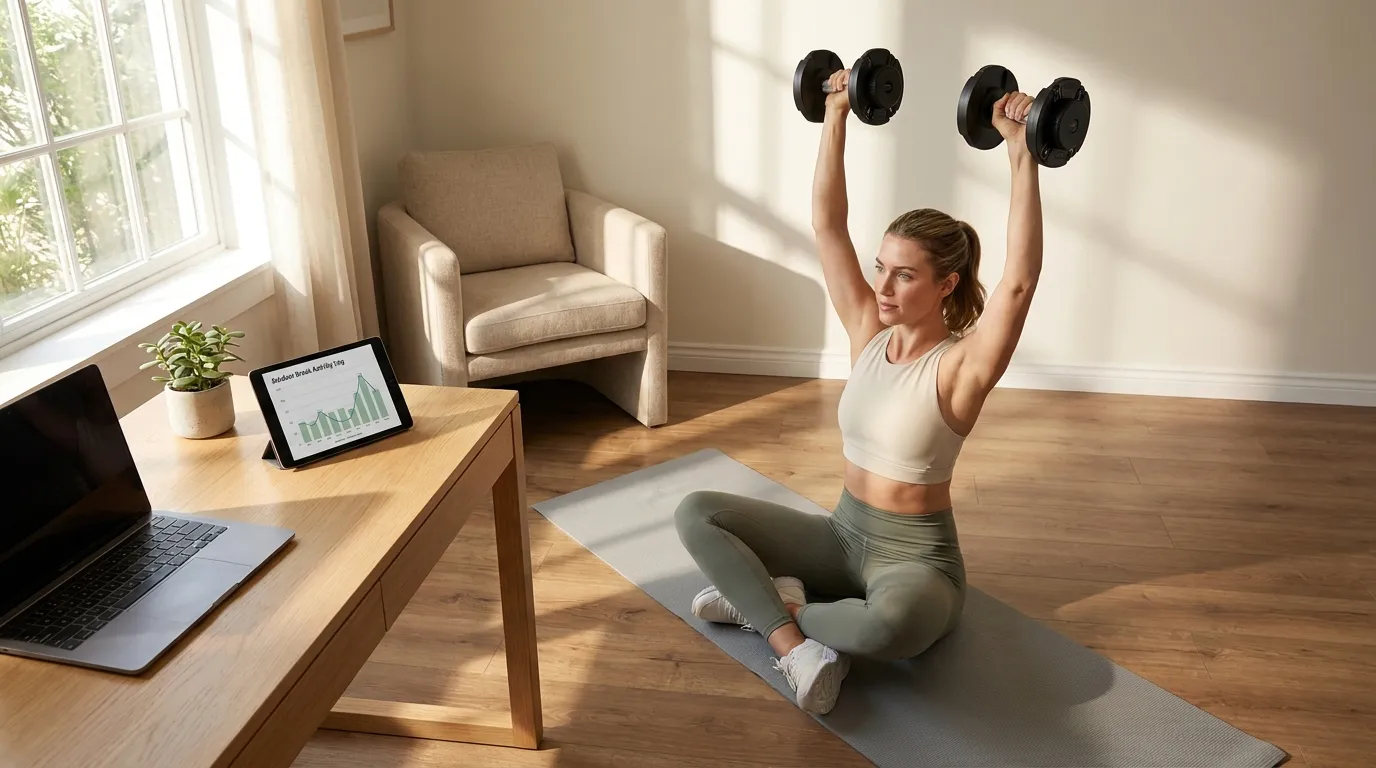
3 Day Split Workout – Your Complete Guide
TLDR; The article describes a 3 day workout split as a practical, realistic plan for desk workers. It fits a busy schedule, can help build strength, improve posture at your desk and while standing, and still leaves enough room for recovery, which is often why the plan feels manageable in the first place.
It covers common options like full body, push-pull-legs, and upper-lower-full body. There’s also a focus on pulling exercises, glute and leg training, core stability, and mobility work to help balance out the effects of sitting, which for most people can add up pretty quickly.
A beginner-friendly three-day routine is included too, along with useful tips for scheduling workouts, keeping things simple, tracking progress, and adding light movement on rest days.
The main idea stays straightforward: choose a split you can realistically stick with, improve gradually, and stay consistent so the routine is easier to maintain.
If most of the day is spent sitting, the body can start to feel stiff, tired, and a little off balance. Tight hips. Rounded shoulders. A weaker upper back. That mid-afternoon drop in energy. Sound familiar? That’s a big reason why a smart fitness plan can help home office and desk workers so much, especially when the desk setup isn’t ideal. For many people, a 3 day workout split is also one of the easiest ways to train without letting workouts take over the whole week.
A good 3 day split workout adds structure. It can help build strength, improve posture, support mental health, and make it easier to move more during the day without training every day. That often matters even more when the calendar is full of meetings, deadlines, and family responsibilities. There’s no need for a bodybuilder-style routine here. Something simple, flexible, and realistic is often a better fit, because that’s what most people can actually stick with.
This guide covers the key parts. It explains what a 3 day workout split is, why it often works especially well for desk workers, how to choose the type of split that fits best, and how to make it work in a busy work-from-home schedule. It also includes sample workouts, practical tips, recovery advice, and ideas for combining longer training sessions with short movement breaks during the workday. For extra daily support, platforms like My Exercise Snacks can also help people stay active between training days.
If there’s been any question about how to get stronger, support posture, or improve work-life balance without spending most evenings at the gym, this article is for you.
What Is a 3 Day Workout Split and Why Does It Work?
A 3 day workout split is a training plan that spreads workouts across three days each week. Instead of doing the same routine every session, each day is built around a goal or a specific body area, which usually makes it feel less repetitive. Common examples include full body three times a week, push-pull-legs, and upper-lower-full body.
For desk workers, this setup often works especially well because it gives you enough training to make progress without adding too much stress. It’s simple, practical, and easier to fit into a regular week. A three-day plan often hits a really useful middle ground, giving you room to build strength, improve posture, and feel better during the workday and after logging off.
Many office workers spend long hours sitting, so a 3 day split can be especially helpful. It gives the week a few solid chances for real exercise while still leaving room on the other days for walking, posture work, or even quick desk movement, which can often help more than people think.
| Benefit | Why It Helps Desk Workers | Practical Result |
|---|---|---|
| 3 weekly workouts | Easier to schedule around work | Better consistency |
| Strength training focus | Counters muscle weakness from sitting | Improved posture and less stiffness |
| Rest days between sessions | Supports recovery and lower stress | More energy for work and life |
The biggest benefit is that it feels realistic in everyday life, and that usually makes it much easier to stay consistent over time.
The Best 3 Day Workout Split Options for Home Office and Desk Workers
Not every split works well if you spend long hours at a laptop every day. The best plan should usually help with weak areas and tight spots, often in the shoulders or hips. It should also fit your equipment, your routine, and the time you actually have.
Full Body Split for a Balanced 3 Day Workout Split
This is often a really good place to start, I think. In each session, you train the whole body, so if life gets busy and you miss a workout, the legs, push muscles, and pull muscles have still usually been trained that week, which helps. That’s really useful. It also keeps things simple and efficient.
A full body plan works especially well with dumbbells, resistance bands, or body weight. It also fits home workouts nicely, since it usually doesn’t need a big variety of exercises, which is nice. Pretty convenient, and in most cases easier to stick with.
Push-Pull-Legs Split for Desk Workers
This classic 3 day workout split breaks training into push muscles, pull muscles, and lower body work, so it’s pretty easy to follow. It can work really well if you already have some exercise experience. For desk workers, the pull day is especially useful because it works the upper back and rear shoulders. Those areas often get weak from too much screen time and usually need extra work.
Upper-Lower-Full Body Split Routine
This is a solid middle-ground option. One day is upper body, another is lower body, and the last workout is full body, so it’s simple and easy to follow. It gives a little more focus than doing only full-body sessions, while still staying flexible.
When picking the split, it helps to look at what the week actually feels like. If Monday is usually the best day, that’s often a good place for the hardest workout, near the start of the week when energy is higher. If Wednesday is packed with calls, a shorter session will usually fit better. And when Friday already feels mentally heavy, a workout that leaves someone feeling strong instead of drained can be the better pick.
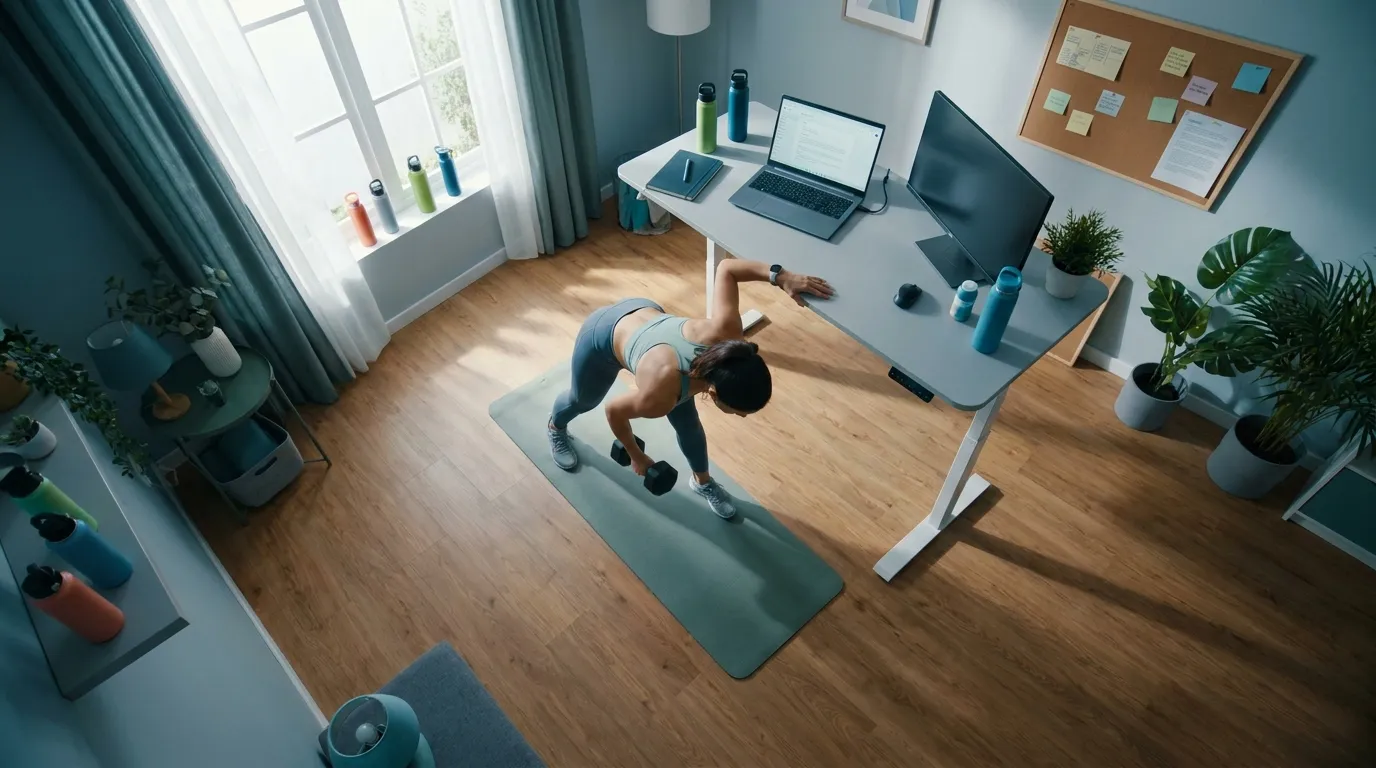
How to Build a 3 Day Workout Split Routine That Fixes Common Desk Worker Problems
A good workout plan for office life should burn calories, but it should also help with the real problems that often come from too much sitting, which is honestly the case for most desk jobs. That usually means weak glutes, tight hips, poor core control, rounded shoulders, and often less flexibility too.
Here’s a simple framework (I think it’s pretty practical):
1. Prioritize pulling movements
Rows, band pull-aparts, reverse flys, and face pulls are easy ways to work your upper back. Short and useful, really. In many cases, they can also help posture and shoulder position.
2. Train the legs and glutes hard
Squats, split squats, bridges, deadlifts, and step-ups help wake up leg and glute muscles that often get sleepy after too much sitting, which happens a lot. They may matter even more than you think.
3. Build core stability
Skip endless crunches and focus on planks, dead bugs, bird dogs, and carries instead, they’re often more useful. A stable core can help support your lower back during long workdays, especially at your desk. Simple, but it often helps.
4. Add mobility to every session
A simple way to begin is with 5 to 8 minutes of movement prep. Hip openers, thoracic rotations, shoulder circles, and ankle mobility drills usually work really well, and they’re easy to do too.
For desk workers, a workout routine often does more than train muscles. It can also help with stress, focus, and mood during the workday, which is a nice extra in this situation.
Imagine two remote workers. One only gets in a bit of walking on weekends. The other follows a 3 day split each week that includes pulling, squatting, hinging, and mobility work. After two months, the second person will likely feel stronger when standing up from a chair. In many cases, they may also feel less stiff after long calls and more confident about staying active.
For further reading on improving flexibility between sessions, check Best Stretches for Office Workers Sitting All Day.
A Simple 3 Day Workout Split You Can Start This Week
Now let’s actually use the ideas. The routine below is beginner-friendly and usually works really well at home, especially if you spend a lot of time sitting at a desk. You can do it with dumbbells and bands, and bodyweight options are included too, which can help. Simple.
Day 1: Upper Body and Posture
Start with 5 minutes of shoulder circles, wall slides, cat-cow, and a little easy movement to loosen things up. Nothing fancy, just simple and easy.
Then do:
- Dumbbell or band row: 3 sets of 8 to 12
- Push-up or incline push-up: 3 sets of 6 to 10
- Shoulder press: 3 sets of 8 to 10
- Band pull-apart or reverse fly: 3 sets of 12 to 15
- Dead bug: 3 sets of 8 each side
- Side plank: 2 sets each side
This day can be really helpful for rounded-shoulder posture that often comes from long hours of computer work at a desk. It can also give the upper body and core solid support, so everyday movement often feels a bit steadier too.
Day 2: Lower Body and Core
Start by warming up with glute bridges, hip circles, body-weight squats, and a few easy reps, just enough to get moving. This can help the hips and legs feel more ready before the main workout starts.
Then do:
- Goblet squat or body-weight squat: 3 sets of 8 to 12
- Romanian deadlift with dumbbells or backpack: 3 sets of 8 to 12
- Split squat or reverse lunge: 3 sets of 8 each side
- Glute bridge or hip thrust: 3 sets of 12
- Bird dog: 3 sets of 8 each side
- Calf raise: 2 to 3 sets of 15
It’s a pretty simple lower-body session, but it still covers the main basics well, especially if you’re training at home.
Day 3: Full Body and Movement Quality
Start with thoracic rotations, walking lunges, arm swings, and a little easy movement to loosen up and get going. Nothing fancy, just enough to help you feel more ready.
Then do:
- Step-up or squat: 3 sets of 10
- One-arm row: 3 sets of 10 each side
- Push-up or chest press: 3 sets of 8 to 10
- Hinge movement like kettlebell deadlift: 3 sets of 10
- Carry or plank variation: 3 rounds
- March variation: 3 rounds
- Mobility cooldown for hips and chest
This setup is easy to adjust, which is one reason it works well for most people. If you’re new, stick with 2 sets. If you’re stronger, add weight or one extra set. And if work has worn you out, it’s often better to shorten the session instead of skipping it. You still get in some squats, rows, and hip work, which can make a busy day feel easier to handle.
How Busy Professionals Can Stay Consistent with a 3 Day Workout Split
The hardest part of any 3 day workout split usually isn’t figuring out what to do. It’s sticking with it week after week, and that’s often where people get stuck.
For home office workers, the barriers can add up fast. Work spills into personal time, meetings run long, and after a full day at the desk, motivation can fade pretty fast, which is a very common pattern.
In most cases, the answer isn’t more willpower. It’s better routines.
Schedule workouts like meetings
Pick a few time slots and protect them; it really helps. Many remote workers do well with Monday and Wednesday, plus Friday before work or right after the last call, since that time often works best.
Keep the setup simple
If you can, leave your mat, bands, or dumbbells somewhere you’ll probably see them, like by the couch. Less setup often makes starting feel easier.
Use mini movement breaks on off days
On days between training, a short walk, a quick stretch, or even a five-minute body break can help you stay in the habit, which often makes a real difference. If your body feels tight, you can try Best Body Break Exercises for Quick Workday Refreshment for quick ideas that usually fit a busy schedule, especially on busy days.
Track small wins
You probably don’t need fancy software, honestly. Just write down your reps, weights, and how you felt. A basic fitness tracker can still help with steps or heart rate. But the best signs are often simpler: less neck tension, better energy, easier stairs, and better work-life balance, which people usually notice first.
Expect imperfect weeks
Missing one session is normal, it happens. A perfect month usually isn’t the goal, and that’s okay. What matters most is getting back to it quickly, maybe the next day or at your next planned workout.
That idea works here for most people. Your workouts matter, and what happens between them matters too, like rest and your everyday routine.
Common Mistakes That Hold Back 3 Day Workout Split Results
Even a smart plan can still fall short when a few common problems come up, and that happens pretty often. The good news is, they’re usually pretty easy to fix once you know what to watch for.
Doing too much too soon
A lot of people start with long sessions, too many exercises, or weights that just feel too heavy (it happens). That often leads to soreness, missed workouts, and sometimes even burnout. It usually helps to start small. Give yourself some space to grow (you’ll probably need it).
Ignoring posture muscles
Desk workers often focus on chest and arms, but the upper back, glutes, and core often get missed (it happens). That can make aches from sitting feel even worse, especially in the neck and lower back. Pulling work and hip exercises should probably stay in the program (I think).
Skipping warm-ups
If you go from typing to squatting in 30 seconds, your body probably won’t feel ready, which honestly makes sense. A short warm-up can help your joints move more easily, and it can make exercise feel better too.
Treating rest days like full shutdown days
Recovery doesn’t mean sitting in a chair all day. Light walks and easy movement can often help blood flow and ease stiffness, which is a nice plus. Small things still count, even on rest days.

Chasing soreness instead of progress
Feeling totally wrecked after exercise doesn’t automatically mean the workout was great. Real progress often comes from staying consistent, slowly making things harder, and recovering in a smart way instead of just pushing harder every time. So it’s really not about soreness alone.
If stress is part of why workouts keep getting skipped, short calming movement sessions can help. Stress Relief Techniques: Quick Desk Workouts 2025 shares practical ways to ease tension during the workday. Simple, useful ideas you might need.
Equipment, Space, and Tools: What You Really Need for a 3 Day Workout Split
One big reason a 3 day split workout works so well for home office life is that it usually doesn’t need much space, which is a nice bonus. It’s pretty simple, and in most cases you can still get really good results, even with a very small setup.
Best basic equipment
- A pair of adjustable dumbbells or one medium-weight pair
- Resistance bands with different strengths
- A stable chair or bench
- A mat
- Optional extras: kettlebell, pull-up bar, fitness tracker
If your budget is tight, bodyweight training plus bands is often enough already, honestly. Squats, lunges, rows, push-ups, glute bridges, and planks can get you pretty far in most cases.
A fitness tracker can help if it gives you a little push to move, and some people really like that. But if it mostly makes you feel guilty, it probably is not helping much. The best tool is usually the one that helps you actually complete the workout.
Here is a simple comparison of home setup options.
| Setup | Cost | Best For |
|---|---|---|
| Body weight only | Low | Beginners and tiny spaces |
| Bands + body weight | Low to medium | Desk workers wanting posture and flexibility work |
| Dumbbells + bands | Medium | Most people seeking long-term strength gains |
You do not need a perfect gym corner. Just enough space to squat, hinge, push, pull, and stretch, and one small clear spot is usually enough.
How to Progress Without Burning Out in a 3 Day Workout Split
Once the routine starts to feel easier, the next step is to keep progressing. But desk workers often deal with uneven energy, and that’s pretty normal. Some weeks feel great, while others don’t.
Deadlines and poor sleep can show up too, and that’s just part of life. So the plan should stay smart and not get too aggressive when work gets busy, especially since energy can change from week to week.
One useful approach is to try one of these options:
Add reps first
If you did 8 reps last week, they’d usually go for 9 or 10 first. Then add more weight once that feels solid.
Add load slowly
Add weight little by little, really. Usually, good form matters more than just trying to show off.
Add one set only when it’s needed
More volume usually isn’t better, really. For most people, about 2 to 4 sets per exercise is enough. In this case, it’s often that simple.
Use an effort guide
Most sets should end with 1 to 2 reps still in the tank, which is usually a solid rule. Simple, I think. That likely lets you train hard without digging yourself into a recovery hole, which you do not want.
Deload when life is heavy
Every 4 to 8 weeks, or during a stressful stretch at work, cut training volume by about a third for one week, since that usually helps. If life feels especially heavy, that reset will likely help even more.
This is also where flexibility and posture work matter more than many people think. Strength is important, but moving well often makes it easier to stick with the routine. It may seem like a small change with a big payoff, especially since a plan you can keep for years is usually better than a perfect one dropped after a month.
For additional ideas on keeping energy steady, read Stretching Exercises for Work: Simple Routines for Your Day.
Frequently Asked Questions
Is a 3 day workout split enough to get results?
Yes. For most desk workers, three well-planned strength sessions each week are enough to build strength, improve posture, and increase energy. The key is consistency and choosing exercises that train the whole body.
What is the best 3 day workout split for beginners?
A full body routine done three times per week is usually the simplest choice. It is easy to learn, easy to recover from, and still works well if you miss a day.
Can I do a 3 day workout split at home without equipment?
Yes, especially when you are starting out. Body-weight squats, push-ups, glute bridges, lunges, planks, and table or band rows can create an effective home program.
How long should each workout be?
Most sessions can be 30 to 45 minutes. If your schedule is packed, even 20 to 30 minutes can work when you focus on a few key movements and keep rest periods tight.
Should I do cardio on the other days?
Light cardio like walking, cycling, or short movement breaks is a great idea on non-lifting days. It supports heart health, stress management, and recovery without taking away from your strength sessions.
Make Your 3 Day Workout Split Work in Real Life
A 3 day workout split is a simple way to train that can really fit into real life. For home office and desk workers, it’s an easy approach that can help you feel better in your body and stay more focused during the day, which is often the biggest win. Three workouts a week can help you build strength, improve posture, support mental health, and ease some of the strain that comes from sitting too long.
A few takeaways matter most:
- Choose a split you can realistically stick to
- Put extra focus on upper back, glutes, core, and mobility
- Keep workouts short so they fit your schedule
- On off days, add some light movement and give your body time to recover
You do not need perfect motivation. What usually helps more is a plan that works with your actual schedule. Start with three workouts this week, keep the movements basic, and notice how you feel at your desk, not just during the workout. Better posture usually makes a difference. Less fatigue helps too. And more confidence matters just as much, especially since that is often one of the first things people notice.
If the goal is lasting health and wellness, this is a good place to start. Build your week around movement instead of letting meetings decide everything. It’s a small shift, but it can help you feel better at your desk, move with less stiffness, and feel a bit steadier through the week. Your body will thank you.