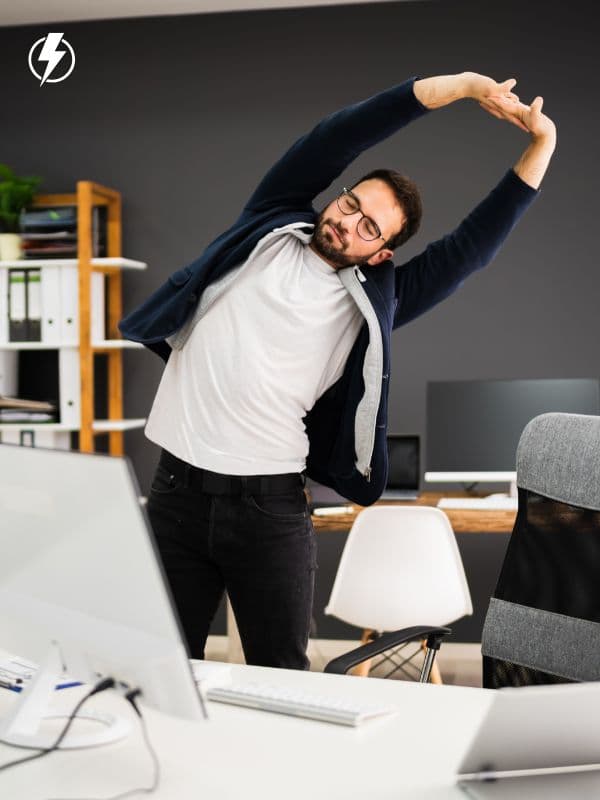
How Fitness Trackers Can Boost Desk Habits
TLDR; For desk workers, the most interesting part is how fitness trackers quietly break up long sitting streaks without taking over the day. By nudging small, regular movement, they often improve comfort and focus while supporting long‑term health, which is honestly nice. The idea of “small nudges” usually works well here. Features like move reminders are common, and step goals make progress easy to check at a glance. Many devices also use activity streaks, which often push quick “exercise snacks,” like short walks or simple stretches, that add up alongside regular workouts. In most cases, real‑world use points to better productivity and employee wellness, I think. Problems usually start when alerts get ignored or the numbers become the goal, instead of just taking a quick walk after a reminder.
If you work at a desk, the pattern is easy to spot. Hours slip by, your body starts to feel stiff, and your focus drops before you realize it (it sneaks up on you). You tell yourself you’ll move later, but later rarely happens. Sound familiar? For many home office and desk workers, this is just daily life. What helps isn’t a big change, but small tools that gently break that cycle. Fitness trackers fit right in. Used with care, they help build better desk habits without pressure, guilt, or constant reminders (no lectures involved). Instead, they give quiet nudges that blend into the workday.
Fitness trackers do more than count steps or log workouts. They act more like awareness tools, showing how long you sit, how often you move, or when your body could use a break (the kind you’d usually brush off). For employee wellness in remote work, that awareness matters right now, especially since everyday office movement has vanished for many people. After years of sitting more, those small prompts can really add up. This article looks at how fitness trackers support healthier desk habits, how to pair them with simple exercise snacks, and what research says, along with common mistakes and easy habit ideas (nothing complicated). Simple, usable stuff. For a deeper look at how wearable devices encourage movement, you can explore How Fitness Trackers Improve Desk Exercise Habits.
Why Desk Habits Matter More Than Ever
Desk habits show up in how your body feels by mid‑afternoon. Long hours of sitting are normal for many jobs, and research puts desk‑based adults at about 9.5 hours of sitting each day. Over months and years, that time adds up. It can affect posture, joints, energy, and mental health. Not great. On a bigger level, daily routines also shape employee wellness. Lost workdays and higher health costs often link back to small habits repeated over and over. The effects are quiet, but they’re real and hard to ignore.
| Metric | Finding | Year |
|---|---|---|
| Average daily sitting time | 9.5 hours | 2025 |
| Work-related ill health cases (UK) | 1.9 million | 2024/25 |
| Workdays lost to ill health | 29.6 million | 2025 |
Those numbers show why desk habits need attention. Fitness trackers make hidden behavior easier to see, like steps taken, sitting time, and long stretches without movement. A light buzz on the wrist to stand up can break a long sitting run. Small, but useful. Over time, short breaks ease strain and help focus last past 3 p.m. Used this way, trackers stay practical and easy to live with.
How Fitness Trackers Encourage Better Desk Habits
Fitness trackers use small behavior cues to gently push people to move more during the day. They watch sitting time, steps, heart rate, and short activity bursts, nothing flashy or hard to follow. For desk workers, the stand-or-move reminder often matters most. About once an hour, it nudges you to get up, even if that just means standing for a minute. Over a full workday, those easy-to-ignore moments add up and quietly break up long stretches of sitting.
Research backs this up. A workplace Fitbit study found that employees averaged around 12 stand-up interruptions per day when reminders were turned on. At first, that number can seem small. Over weeks and months, those breaks stack up. Regular movement can ease stiffness and help blood flow, which often makes long desk days feel less draining overall.
These results indicate that Fitbit technology is effective for recording and tracking interruptions in sitting time; however, to reduce sitting behavior, alternate approaches are required to motivate larger numbers of workers to participate.
That idea fits well here. Fitness trackers usually work best when motivation is already there and the next step is simple. Desk exercises and quick movement breaks fit neatly into that pattern. When a reminder buzzes, having an easy option ready, like a short stretch, a minute of standing, a walk to the kitchen, or a quick exercise snack, keeps the habit doable and easy to repeat.
Pairing Fitness Trackers With Exercise Snacks
Reminders get ignored when they’re vague or poorly timed. People swipe alerts away because they’re busy, distracted, or unsure what even counts as movement. Exercise snacks fix that by keeping things short and clear. These are small movements that take one to five minutes. The tracker gives the nudge, and the snack removes the guessing. There’s nothing to plan and nothing to debate in the moment.
The nice part is how simple this setup can be. A tracker reminder every 45 to 60 minutes works well. From there, a short list of snacks you actually like matters. Chair squats fit easily into a workday. Wall push-ups do too. Each alert is linked to one specific movement, so the choice is already made. When the alert pops up, the movement happens.
Over time, this pairing becomes automatic during real workdays, not just ideal ones. Research on fitness tech links self-tracking with lasting behavior change, which helps explain why the habit sticks.
Such self-monitoring is associated with increases in activity and weight loss.
For home office workers, this approach replaces routines that once happened on their own, like walking to meetings or commuting. Those cues disappeared. Platforms like My Exercise Snacks focus on that gap by sharing movement ideas built for real workdays instead of gym-style schedules. For more structured ideas, you can read 7 Quick Desk Exercises to Boost Your Energy at Work.
Real-World Results and Common Mistakes
Early wins are common for desk workers who use fitness trackers. Extra steps show up fast, energy goes up, and the first few days feel encouraging. Then use often drops off. Studies show compliance in corporate wearable programs falling below 30 percent after a few months. The problem isn’t the hardware. It’s habits, and building habits takes more effort than buying a device.
People who stick with trackers see them as guides, not scorekeepers. They aim for regular routines instead of perfect days. One remote customer support team paired movement reminders with short stretches during call breaks. After eight weeks, workers reported less neck pain and better moods. Researchers at Utah State University saw similar results, linking reminder-based tracking to lower stress and better perceived productivity. These are changes workers notice during a normal day.
Problems usually start with goals that are too big, skipped recovery cues, or focusing only on steps. Progress slows fast. Desk routines respond better to frequent, small movements than one long workout, and light social check-ins help keep motivation up. For group ideas that build motivation, see Gamifying Desk Exercise: Fitness Challenges That Work.
Fitness Trackers and the Future of Employee Wellness
Employee wellness is gaining momentum, and fitness trackers now sit in the middle of daily work life rather than on the sidelines. They’re part of wider wellness systems and show up during a regular workday, not only after hours. Current trends focus on micro‑movements and posture cues. These small nudges matter most for remote teams who don’t share a physical workspace and often stay stuck at their desks for long periods.
Industry reports show a clear change: wellness tech is shifting away from compliance and toward habit support. Companies are moving away from forced participation and rigid programs, choosing setups where movement fits easily into the day. Trackers quietly sync with wellness dashboards and productivity tools, which helps HR teams support healthier desk habits without awkward reminders.
For individual workers, the shift feels lighter. Better tools, less guilt. A gentle prompt to stand or stretch feels easier to accept than strict targets or streaks, and people are more likely to act on it.
Simple Tools and Tips to Get Started Today
Better desk habits don’t need an expensive setup. Many people already have a tracker that works just fine, or they choose a basic one that gives a stand reminder and little else. It often helps to turn off features that add pressure and keep only what supports moving a bit more and staying aware during the day.
The most helpful exercise snacks are the ones that fit the job. Writers often stick with light mobility so typing doesn’t tighten things up, especially in the shoulders. In call centers, quick posture resets usually fit the pace better. How do those moves actually happen? Pair them with tracker alerts and focus more on showing up regularly than on calories.
Team settings add another layer. Shared step goals or movement streaks often build connection and lead to small, visible wins. We wrote about ideas that work across roles here, with practical examples that carry over between teams: Gamifying Desk Exercise: Fitness Challenges That Work. You can also explore Innovative Fitness Challenges to Boost Employee Engagement and Productivity for additional strategies.
Frequently Asked Questions
Are fitness trackers useful for people who already exercise?
Yes. Even active people can sit too long during workdays. Fitness trackers help break up sitting time, which workouts alone do not fix.
How often should a desk worker move during the day?
Most experts suggest standing or moving every 45 to 60 minutes. Short, frequent movement is better than one long break.
Do fitness trackers really improve employee wellness?
They can when used with simple habits. Trackers increase awareness and prompt action, which supports better physical and mental health.
What is the best tracker feature for desk habits?
Stand or move reminders are the most helpful. They directly target long sitting periods common in desk work.
Can exercise snacks replace full workouts?
They support daily movement but do not fully replace workouts. Think of them as habit builders that protect your body during work hours.
Putting Better Desk Habits Into Practice
Fitness trackers work best as practical tools, not miracle fixes. Their real value shows up in daily use, not flashy numbers. When paired with exercise snacks, they quietly support healthier desk habits without adding to the workday (no extra meetings required). Those small, repeatable moments add up and help comfort and focus over time. They also play a consistent role in employee wellness, which shows up in everyday energy and mood.
For anyone working from home or sitting at a desk, small steps tend to stick. What if one reminder is linked to a quick stretch or a short walk, even a lap around the room? You’ll see that consistency carries busy days, and the body often notices before the schedule does.