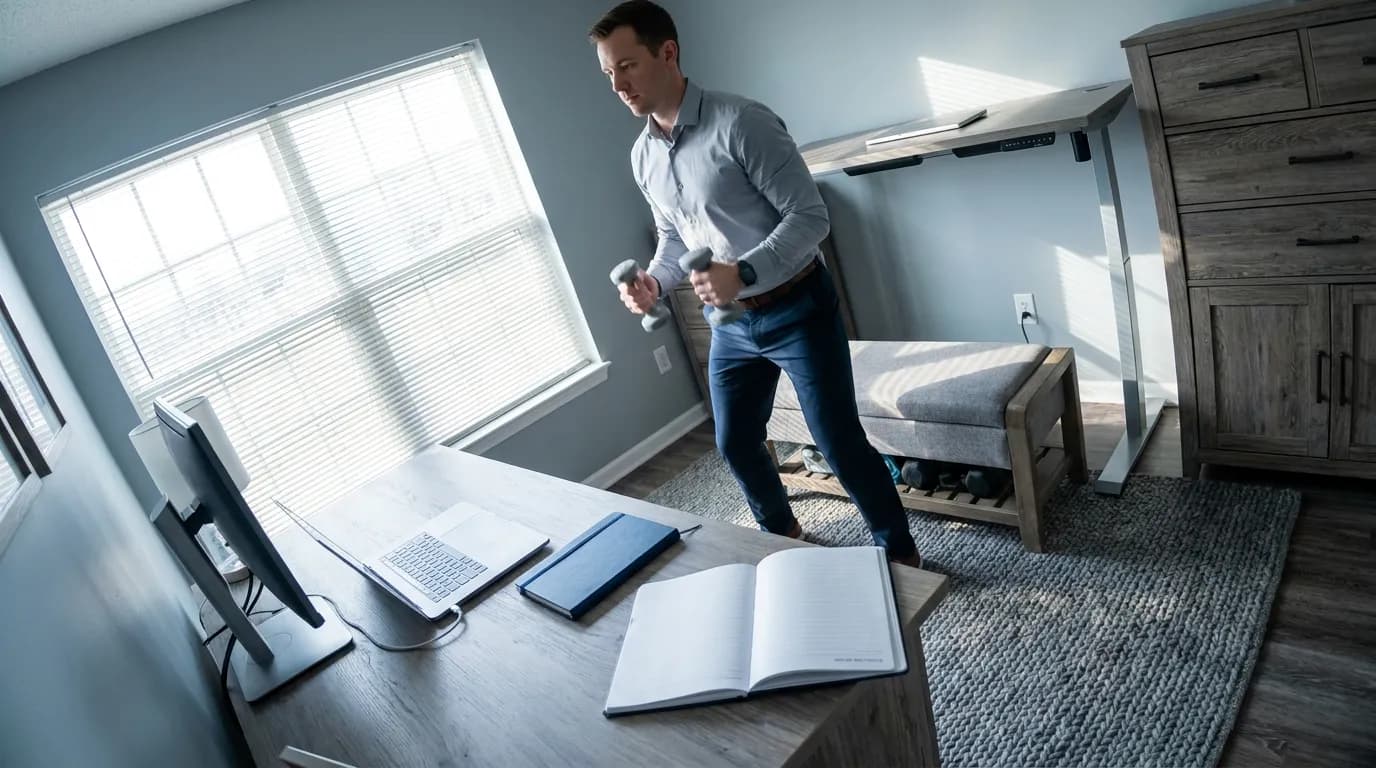
The Complete PPLUL (Push Pull Legs Upper Lower) Split Guide
TLDR; The article explains that the PPLUL split, Push, Pull, Legs, Upper, Lower, is a five-day training plan that works especially well for desk workers, which is probably a lot of people. It helps build strength, supports better posture through upper-back and core work, and usually gives enough recovery without needing long gym sessions. Overall, it feels very practical.
It also covers different scheduling options, recommends workouts lasting 35 to 60 minutes so they’re easier to fit into the day, and suggests exercises that focus on upper-back strength, glutes and hamstrings, core stability, and shoulder-friendly pressing. That can often make a real difference for people who sit a lot.
The guide also explains smart training intensity, progressive overload, and common mistakes to avoid, like too much volume, too much pressing, random programming, or poor recovery habits. The advice stays grounded and easy to follow.
So it encourages picking a realistic version of the PPLUL split, keeping exercises simple for 6 to 8 weeks, and pairing workouts with short walks, mobility work, and exercise snacks during the workday for better consistency and results.
If most of the day is spent sitting, the idea of following a serious workout plan can feel hard to fit in. Hips often get tight. The upper back starts to feel stiff. After hours in front of a screen, the neck can get cranky too, and that is pretty common. On top of that, a lot of popular training plans seem built for people with endless energy, long gym sessions, and perfect recovery. That is a big reason the pplul split gets so much attention. It gives structure without boxing someone into long workouts every day.
A pplul split means Push, Pull, Legs, Upper, Lower. It is a five-day training split that gives each major muscle group enough volume while still leaving space for recovery. For desk workers and people working from home, it can be a very practical middle ground. In that way, it often feels more balanced. It is usually more focused than doing random workouts, while also being more flexible than many high-frequency bodybuilding plans, which can be too much for most people. That means it can help build strength, support better posture, and improve overall health without taking up hours in the gym all week.
This guide explains how the PPLUL approach works, why it fits a lot of desk workers so well, what a weekly schedule can look like, and how to adjust it for home training. It also looks at pairing the plan with short movement breaks during the workday, sometimes called ‘exercise snacks,’ a simple idea that is often useful. If there has been any question about whether this routine is too much or actually a good fit, this article makes that easier to figure out.
What the PPLUL split really means
The basic idea is pretty simple: you split the week into five training themes, which usually makes planning feel a lot easier to manage:
- Push: chest, shoulders, triceps
- Pull: back, rear shoulders, biceps
- Legs: quads, hamstrings, glutes, calves
- Upper: mixed upper-body work
- Lower: mixed lower-body work
What makes this setup useful is the mix of muscle focus and steady training frequency. It is a practical way to organize training, and the PPLUL format is usually easy to follow and, just as important, easier to keep doing over time.
Another reason this split works well is how it spreads stress across the week. That is especially helpful if someone spends long hours sitting at a desk. When pulling work stays too low, too much pressing can make rounded shoulders worse. And if all leg work gets packed into one session, soreness can be bad enough that even standing up from a chair feels annoying the next day. The pplul split helps keep things more balanced.
| Split | Days per Week | Muscle Frequency | Best For |
|---|---|---|---|
| Full Body | 3 | 2-3x weekly | Busy beginners |
| PPLUL | 5 | About 2x weekly | Intermediate desk workers |
| Bro Split | 5 | 1x weekly | High variety, lower frequency |
For a lot of people working from home, that balance is probably the biggest advantage. There is enough structure to keep progress moving, but not so much complication that the whole plan falls apart after one stressful week. It stays simple and, in most cases, feels a lot more realistic for real life.
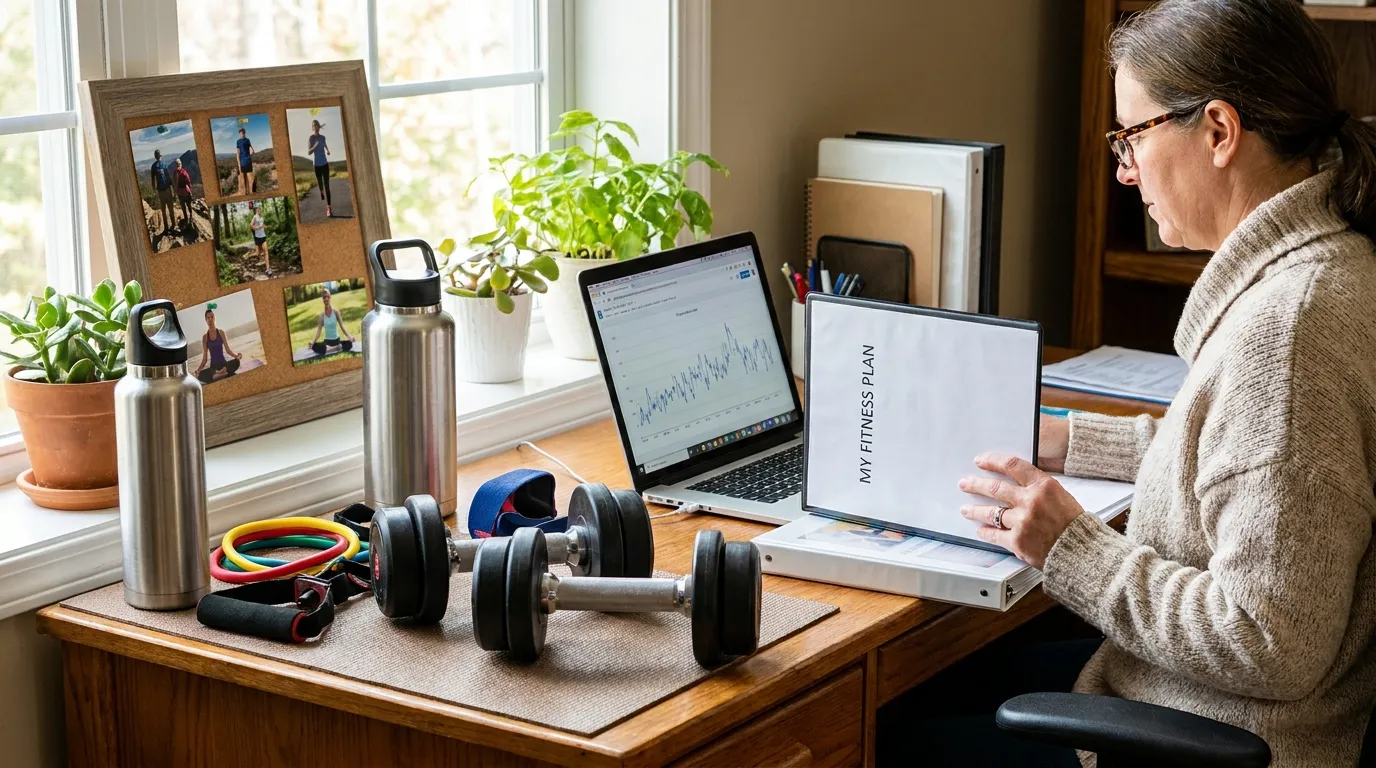
Why desk workers often do well with this setup
Desk workers often run into a pretty common set of physical issues: tight hip flexors, weak glutes, a stiff thoracic spine, forward head posture, and just not much movement during the day. A structured split can help break that “I sit all day and then barely move after work” pattern, which is often a big part of the issue.
What makes the PPLUL routine a good fit is how it gives real attention to the movement patterns office life often weakens. Pull days help build the upper back, especially the mid-back and rear shoulders. Lower days can put more focus on glutes and hamstrings, while upper days leave room for posture work and shoulder stability exercises, the kind that often helps people sit and move better. So it is not just about aesthetics. In many cases, it also helps with everyday movement and comfort.
The structure itself is pretty simple: one day trains pushing muscles, the next brings in pulling work to restore some balance between the front and back of the upper body, then legs get their own focus. Later in the week, upper and lower patterns come back again. Over time, that usually means less neglect and better movement quality overall.
A lot of desk workers also do well with mental simplicity. Decision fatigue is real, and repeating the same weekly pattern can lower friction because there is less to figure out each session. You just follow the day: push, pull, legs, upper, lower. That kind of routine often improves consistency, and that is a big reason results tend to last.
If you want a simpler starting point before moving into five days, this 3 day split workout guide can be a helpful bridge.
How to build a PPLUL week that fits real work life
A good plan should fit your calendar, not just your goals. For home office workers, the best pplul split is often one that keeps workouts around 35 to 60 minutes, since that’s usually manageable in a real workday. It’s simple, and still gives you enough time to train well without letting fitness start to feel like another full-time job, which honestly you probably don’t need.
A sample week might look like this:
Option 1: Standard workweek flow
- Monday: Push
- Tuesday: Pull
- Wednesday: Legs
- Thursday: Rest, or just short exercise breaks
- Friday: Upper
- Saturday: Lower
- Sunday: Rest, you’ll probably want it
Option 2: Weekday-only training
- Monday: Push
- Tuesday: Pull
- Wednesday: Legs
- Thursday: Upper
- Friday: Lower
- Weekend: Rest, walking, and easy movement
For most desk workers, Option 1 is usually easier to recover from. The midweek break often helps a lot, especially if sleep or stress isn’t great, and that can make a real difference. Rest days also don’t have to mean doing nothing. Short walks, mobility work, and easy exercise snacks still count, even if it’s just a few minutes here and there.
Before and after a workout, take 3 to 5 minutes for movement prep. Bodyweight squats, band pull-aparts, shoulder circles, and hip openers all work well. It’s basic, but office workers often feel relief pretty fast because it helps loosen some of that stiffness from sitting.
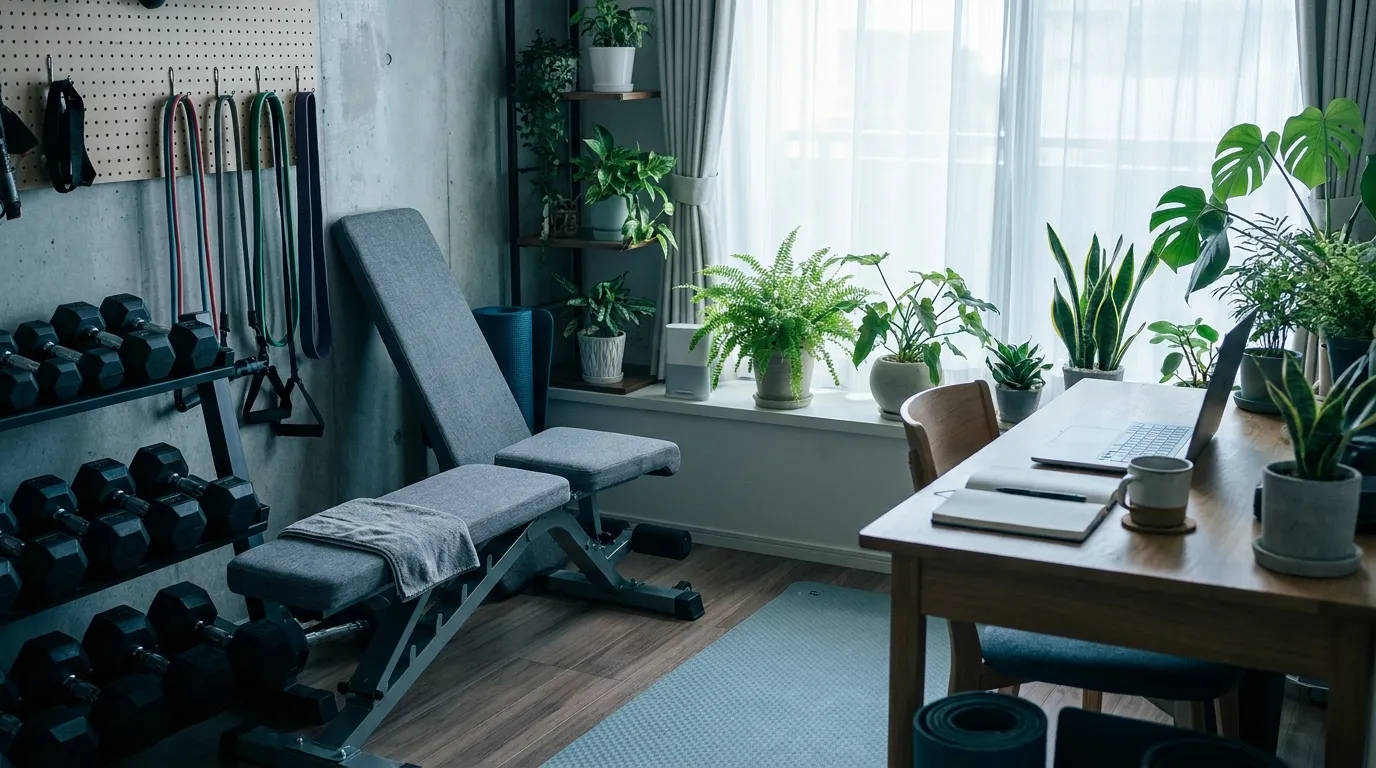
The best exercise choices for home office bodies
A split usually works only as well as the exercises in it. If someone sits a lot, moves that build strength and help balance out what long hours in a chair often do can make the biggest difference, since that adds up quickly. So it makes sense to focus on rows for the upper back, glute work, core stability, and shoulder-friendly pressing, which usually help most.
Push day ideas
- Dumbbell bench press, if you have them. Or just do push-ups.
- Incline press or chest fly
- Seated dumbbell shoulder press
- Lateral raises
- Then triceps press-down or overhead extension; either one usually works
Pull day ideas
- One-arm dumbbell row
- Chest-supported row
- Lat pulldown {or a band pulldown}
- Face pulls
- Hammer curls
Legs day ideas
- Goblet squat
- Romanian deadlift
- Split squat (really good), plus calf raises.
- Glute bridge or hip thrust (I think either works)
Upper day ideas
This works well as a posture-friendly mixed day. If your shoulders usually round forward at your desk, which is pretty common, adding extra rows instead of more presses often makes more sense. For many desk workers, a good setup is 2 pulling moves for each pressing move.
Lower day ideas
Keep this focused on single-leg strength, hamstrings, glutes, and core control, pretty simple stuff, really. It can help with balance, back comfort, and moving better through the week, and people often notice a difference in everyday tasks too.
A real-life example: someone who used to get low back tightness after long meetings may feel better after 8 to 12 weeks of steady glute and hamstring work. Before, it often shows up as weak hip extension and too much stiffness from sitting, which is very common. Afterward, standing may feel easier, posture can look better, and there’s often less fatigue by the end of the day.
For desk workers, that usually matters as much as building muscle.
How hard should each workout be?
One of the most common mistakes with a pplul split is doing too much, too soon. Because it’s a five-day plan, people often think every workout has to feel brutal. It really doesn’t, and for most people, it probably shouldn’t. With this kind of setup, smart programming usually works better than pushing all out in every single session.
A simple guideline works well here: keep most sets around 1 to 3 reps short of failure. In plain English, that means ending a set feeling like you probably could have done a bit more. That gives you enough challenge to improve without making recovery harder than it needs to be. For most people, that balance is what makes staying consistent easier over time.
A practical setup for many exercises looks like this:
- Big compound lifts: 3 to 4 sets of 6 to 10 reps
- Secondary lifts: usually 2 to 4 sets of 8 to 12 reps
- Isolation work can stay at 2 to 3 sets of 10 to 15 reps
- Adjust a little if an exercise is especially fatiguing
It also helps to fit the plan to your current stress level. Got a busy week with deadlines? Cutting a set or two often makes sense. Sleeping badly? That’s usually not the time to test your limits. Social media routines tend to leave this part out, which is often where the problem starts. The best plan usually isn’t the one with the longest exercise list. It’s the one you can recover from while still handling your job, energy, and normal daily life.
Common issues include sore shoulders from too much pressing. Low back fatigue often comes from poor hinge form. A lot of people also burn out when they try to train five hard days in a row. Usually, the fix is pretty simple: choose exercises more carefully, balance your volume, and include one easier day. In many cases, that’s enough to make the week feel manageable again.
For office workers, 2-minute movement breaks between work blocks can help recovery too. Stand up, walk around, do band pull-aparts, or try posture exercises. It’s a small habit, but it helps. Those quick breaks often improve blood flow and reduce stiffness, which is one reason platforms like My Exercise Snacks fit modern work routines so well. A full workout builds strength, while quick movement snacks help you stay mobile between sessions.
Progressive overload without overthinking it
If you want results from the PPLUL format, you need some kind of progression plan. That sounds fancier than it really is. Usually, it just means asking your body to do a little more over time, not anything dramatic. That could mean more reps, a small increase in weight, better control, or moving through a stronger range of motion.
A simple way to do it:
- Pick a rep range, like 8 to 10.
- Stay with the same weight until you can hit 10 reps on all your working sets.
- Then increase the load a little.
- After that, start again near the bottom of the range.
This tends to work really well for home office workers because it makes training feel clear and easy to measure. Instead of sitting there wondering whether the plan is working, you have something real to track, which honestly makes things simpler.
Training is also moving more toward practical personalization. Wearables, or even a basic fitness tracker, can help some people notice patterns in sleep, stress, and recovery. But you do not need one to make progress. In most cases, they just point to what is probably affecting your workouts. And when you are busy, tired, or glued to your desk, the overall pattern is still pretty simple: sustainable plans usually beat extreme ones. For desk workers, consistency often matters most.
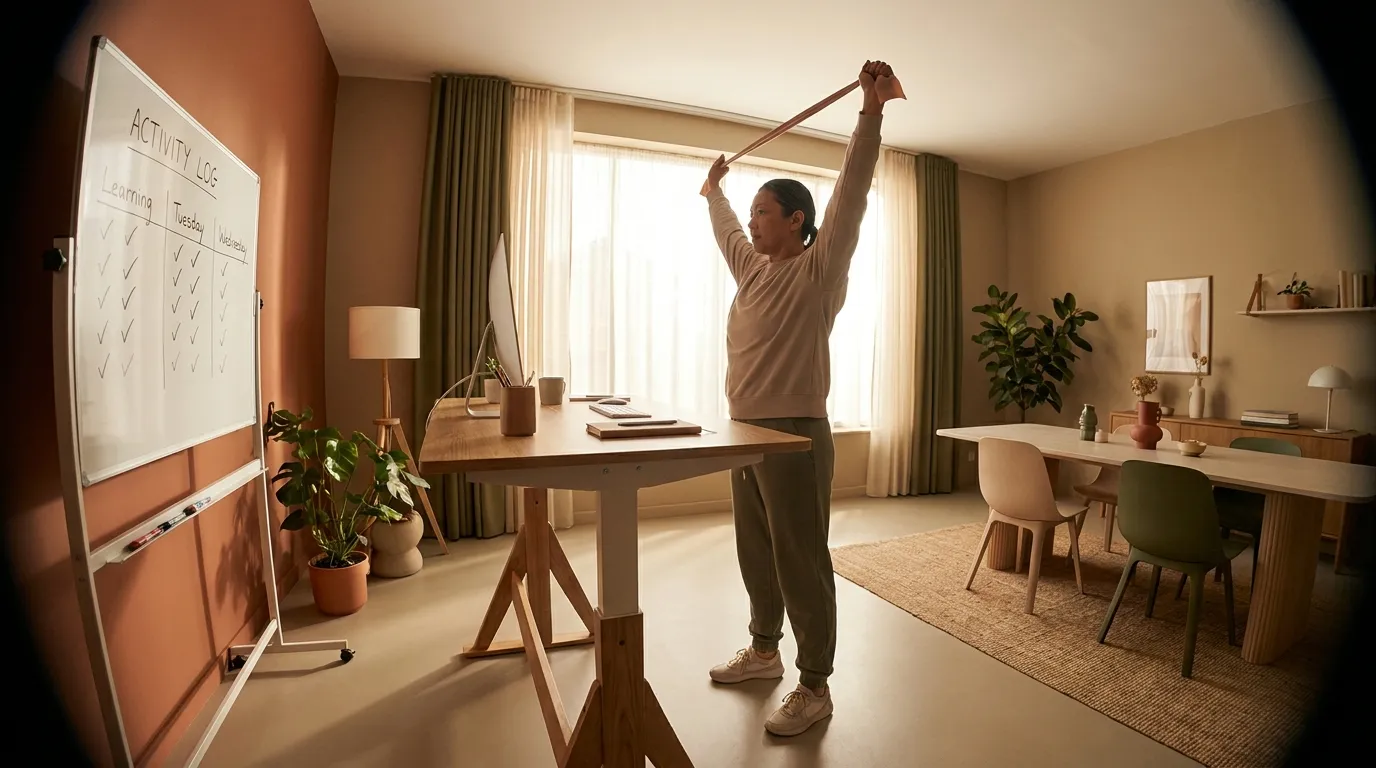
Sample PPLUL split for a desk worker at home
Here’s a practical example using dumbbells, bands, and body weight. It usually works especially well when the home setup is small, which is honestly true for a lot of people.
| Day | Main Focus | Example Moves |
|---|---|---|
| Push | Chest, shoulders, triceps | Push-ups, dumbbell press, lateral raises |
| Pull | Back, rear delts, biceps | Rows, band pulldowns, face pulls |
| Legs | Quads, glutes, hamstrings | Goblet squats, RDLs, split squats |
| Upper | Balanced upper body | Incline press, rows, curls, triceps |
| Lower | Balanced lower body | Hip thrusts, lunges, hamstring curls, calf raises |
For each day, pick 4 to 6 exercises. A simple way to set it up is to start with one or two bigger movements, such as squats, presses, or rows, and then add a few smaller ones after that. Keep total hard sets for the session around 12 to 18. If that already sounds like a lot, starting a bit lower is often the better move, and then slowly building up over time usually works well.
Does five days feel like too much? The same structure can be spread across a longer cycle instead. One week might have four training days, then five the next. In most cases, that still works just fine, so there’s no real need to force everything into a perfect Monday-to-Friday schedule just to keep making progress.
Comparing plans can help here too. Some people do better with fewer sessions and longer workouts, while others prefer shorter sessions spread across the week. If that choice still feels unclear, the 3 day split workout guide gives a simpler option to compare with this one, which can make the decision a little easier.
Common mistakes that slow progress
Most problems with a pplul split usually aren’t about the split itself. More often, the setup is off, and that’s what tends to slow progress.
Mistake 1: Ignoring posture needs
Desk workers often need more pulling, rear delt work, and extra glute training, which is pretty simple stuff. If they only focus on chest and arms, their body will often start to feel worse, and they’ll probably notice it.
Mistake 2: Doing too much volume
More usually isn’t better here. If your joints hurt, you should probably ease up a bit, really. And when motivation drops and performance falls, doing less often makes sense.
Mistake 3: Skipping recovery basics
Sleep, protein, walking, and moving during the day all matter (really, they usually do). They’re the basics. Even the best split can fall short when you sit still for 10 hours and only sleep 5 hours (which probably happens).
Mistake 4: Training randomly
Changing exercises every week feels fun, it really does. But it probably makes progress harder to track. In most cases, keeping the basics the same for at least 6 to 8 weeks usually works.
Mistake 5: Forgetting workday movement
A workout usually can’t fully make up for sitting all day. Small breaks often help circulation and stress, and they can also boost energy, which is nice. The good news is that these mistakes are often pretty easy to fix once you notice them.
Frequently Asked Questions
Is the PPLUL split good for beginners?
Yes, but only if the exercise list stays simple and the volume stays moderate. A true beginner may do better with a 3-day full-body or upper-lower plan first, then move into a PPLUL routine after a few months.
Can I do a pplul split with only dumbbells at home?
Yes. Dumbbells, bands, and body weight are enough for most people, especially early and intermediate trainees. The key is choosing solid movement patterns and using progressive overload over time.
How long should each PPLUL workout take?
For most desk workers, 35 to 60 minutes is enough. If sessions run longer than that, the plan may include too many exercises or too much rest time.
What if I miss one day in the week?
Do not quit the whole plan. Just continue with the next scheduled workout or shift the missed day forward. A flexible routine is better than chasing a perfect calendar.
Will this split help with posture and back pain from sitting?
It can help by strengthening the upper back, glutes, hamstrings, and core. It is not medical treatment, but many desk workers feel better when they combine strength training with regular mobility breaks and walking.
Small daily habits that make the split work better
The best training plan usually works better when the basic stuff is covered too. If you can, walk for 5 to 10 minutes after meals, even if it’s only a quick lap. It seems small, but it often makes a difference. Stand up every hour, or at least more often than you do now. You will probably also find it easier to drink more water when a bottle stays near your desk. And if there’s a free minute between meetings, do a few flexibility exercises; nothing complicated is needed. These small habits can help your body feel better before the workout even starts.
If your job is intense, exercise snacks can make it easier to stay consistent. Some days are chaotic, and a full session might get cut short. That happens, and you probably should not stress about it too much. Try 10 push-ups, 15 squats, some band rows, and a short walk. It still helps keep the habit going, and that is often enough to keep you on track.
The big reminder is this: the pplul split is not magic. It is just a smart setup that fits real life well. For home office workers, real life includes sitting, stress, meetings, and limited time. A plan that respects those limits will usually work better than a “perfect” routine you cannot sustain (I think that is the key).
Put the PPLUL split into practice
If someone works at a desk and wants a simple way to get stronger, move better, and stay consistent, the PPLUL approach is a really solid option. It spreads training across the week, which usually makes it easier to stick with, gives each muscle group enough work, and fits both home and gym setups. That makes it especially useful for people who want better posture, more energy, and long-term health benefits while still keeping up with work.
Here are the big takeaways:
- The pplul split uses a balanced five-day structure to train the whole body.
- It works well for desk workers because it can help with posture, strength, movement quality, and better day-to-day function.
- Long workouts are not required. Short, focused sessions can work very well.
- Recovery matters just as much as training volume, and in some cases, even more.
- Exercise snacks during the workday can help bridge the gap between workouts.
- Home equipment like dumbbells and bands is enough to build a solid plan.
A good place to start is with a version that feels realistic to follow for the next 8 weeks. Keep the exercises simple and track reps. Small details can matter a lot here. If possible, add short movement breaks during the workday, since even a few minutes can help. If needed, start with a lower-frequency plan and build up over time. The goal is not to train like a fitness influencer, but to feel stronger, healthier, and more capable in daily life.